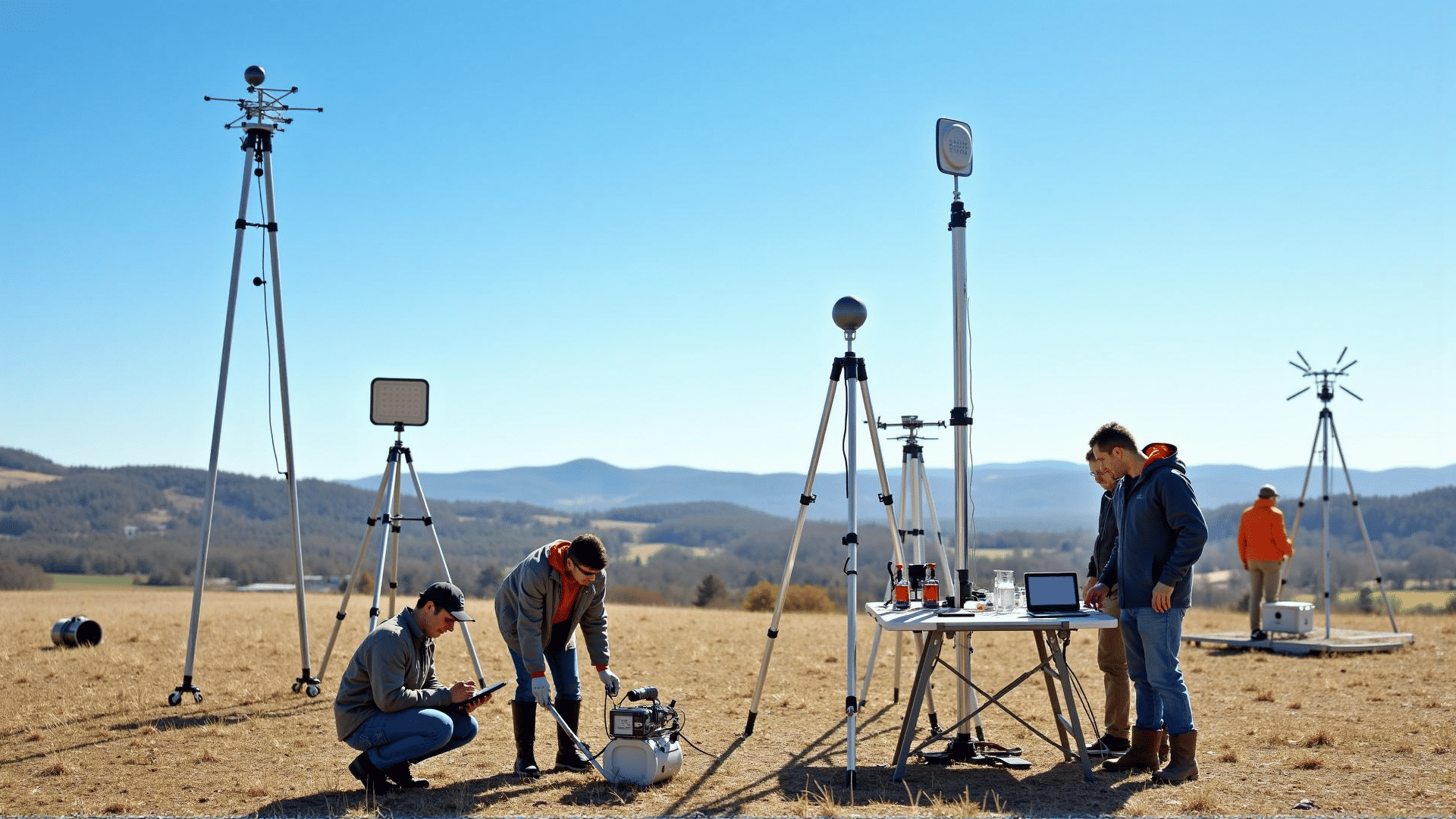
In a world increasingly attuned to the need for sustainable practices, the role of environmental monitoring has never been more critical. Today, proactive sustainability is predicated on a foundation of precise data collection, allowing organizations, governments, and individuals to make informed decisions that reduce environmental impact and preserve ecosystems for future generations.
At the heart of effective environmental stewardship lies the deployment of advanced monitoring systems. These sophisticated tools collect data on various environmental parameters—such as air and water quality, soil conditions, weather patterns, and biodiversity indices—providing a comprehensive picture of the ecological health of a given area. By collating and analyzing this data, stakeholders can identify trends, foresee potential environmental hazards, and implement corrective measures before problems escalate.
The transformative power of environmental monitoring systems lies in their ability to shift the paradigm from reactive to proactive management. Traditionally, environmental problems have been addressed retroactively, often after significant damage has occurred. However, with precise data collection tools, stakeholders can anticipate issues and take preventative action to mitigate potential impacts. For example, early detection of pollutants in a water supply can lead to immediate interventions to protect public health and aquatic life.
Incorporating cutting-edge technology, modern environmental monitoring systems often utilize the Internet of Things (IoT), remote sensing, and big data analytics. IoT devices, for example, are deployed in the field, continuously transmitting reliable data in real-time. This real-time monitoring offers a dynamic view of environmental conditions, allowing for swift actionable insights. Meanwhile, remote sensing technologies, such as drones and satellites, provide a macro perspective, surveying large and hard-to-reach areas to complement data gathered on the ground.
Big data analytics plays a crucial role in processing the vast amounts of information these systems generate. Advanced algorithms and artificial intelligence can sift through complex datasets, highlighting patterns and anomalies that may not be evident to human observers. This data-driven insight empowers decision-makers to implement strategies that are not only effective but also economically efficient, ensuring that resources are allocated where they are needed most and with maximum benefit.
Crucially, the interdisciplinary nature of environmental monitoring systems fosters collaboration across sectors. Governments, research institutions, and commercial entities are moving towards integrated approaches, sharing data and insights to drive collective action against environmental challenges. This collaborative effort can lead to large-scale initiatives that transcend individual efforts, addressing global challenges such as climate change, deforestation, and biodiversity loss.
Furthermore, engaging local communities in environmental monitoring efforts is essential for achieving sustainable outcomes. Educational programs and citizen science initiatives can empower individuals to participate in data collection, increasing awareness and fostering a culture of environmental responsibility. By bridging the gap between scientific data and public involvement, communities are encouraged to take ownership of their environmental impact and contribute actively to sustainability goals.
In summary, environmental monitoring systems that focus on precise data collection are pivotal in advancing proactive sustainability. By leveraging advanced technology and fostering collaboration, these systems provide the necessary insight and foresight to protect and preserve our environment for future generations. As we continue to refine these tools and methodologies, the potential to create a sustainable balance between human activity and ecological preservation becomes increasingly attainable.