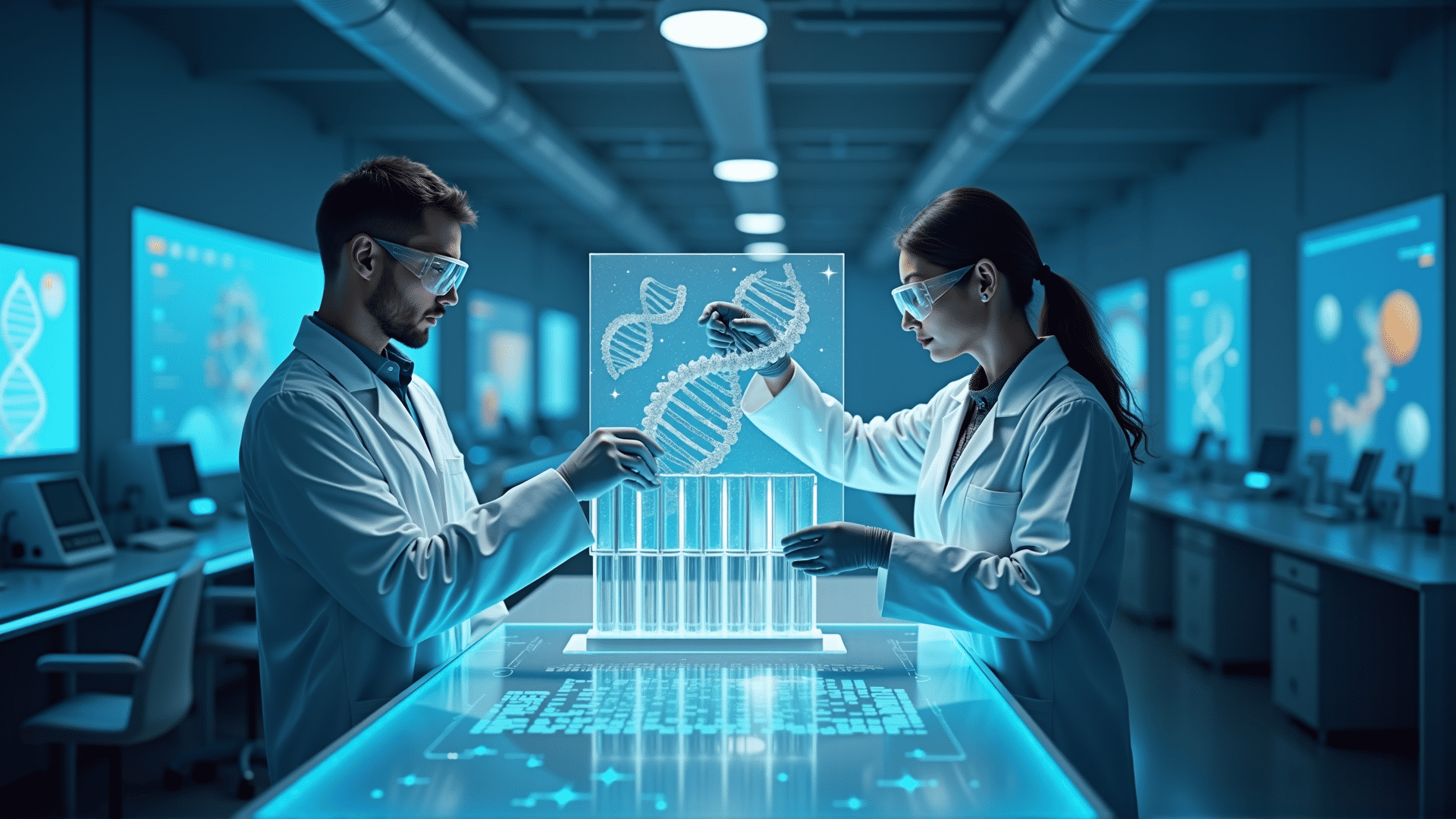
Biotechnology and genetics have rapidly evolved, transforming from niche fields into the vanguard of medical and scientific innovation. Today, groundbreaking research initiatives in these areas are not only expanding our understanding of living organisms but also offering revolutionary solutions to some of the world's most pressing challenges.
At the heart of modern biotechnology is the remarkable CRISPR-Cas9 gene-editing technology. This tool has empowered scientists to make precise, targeted changes to the DNA within organisms, offering unprecedented control over genetic engineering. From developing disease-resistant crops that ensure food security to pioneering new therapies for genetic disorders, CRISPR is a testament to biotechnology's potential to reshape our world.
In the realm of genetics, researchers are venturing further into the mysteries of the human genome. Initiatives such as the Human Genome Project have laid a robust foundation by mapping all the genes in the human body. Building upon this, new projects are delving into gene-environment interactions, epigenetics, and personalized medicine. The latter, personalized medicine, represents a paradigm shift in healthcare – tailor-making medical treatments to the individual characteristics of each patient, promising to enhance efficacy and minimize side effects.
One area where genetics and biotechnology are making significant strides is in cancer treatment. Traditional approaches, while effective to some extent, often come with severe side effects. However, by understanding the genetic mutations that lead to cancer, researchers are developing targeted therapies that attack cancer cells while sparing healthy tissue. This targeted approach not only enhances treatment efficacy but also improves the quality of life for patients.
Another fascinating frontier is synthetic biology, which merges engineering principles with biological systems to design and construct new biological parts, devices, and systems. This innovative field has potential applications ranging from biofuels to biodegradable materials and even synthetic organs for transplantation. Researchers are harnessing this potential to address environmental challenges, such as developing microbes that can consume plastic waste or designing novel approaches to carbon capture.
Furthermore, biotechnological advancements in agriculture are playing a critical role in combating climate change and ensuring food security. Scientists are engineering crops that are not only resistant to pests and diseases but also capable of thriving in extreme weather conditions. These innovations are crucial in a world facing a rising population and changing climate patterns, where sustainable food production is more important than ever.
Ethical considerations remain a key component of genetic and biotechnological research. As we push the boundaries of what's possible, it is imperative to engage in continuous dialogue with ethicists, policymakers, and the public. Ensuring that advancements are implemented responsibly and equitably will be essential in garnering trust and acceptance in this rapidly evolving landscape.
In conclusion, the synergy between genetics and biotechnology heralds a new era of possibilities. As researchers continue to make groundbreaking discoveries, we as a society are on the cusp of transformative changes that promise to improve health, enhance sustainability, and enrich the quality of life across the globe. Through continued investment, collaboration, and ethical vigilance, the future of biotechnology holds endless possibilities for advancing human progress.