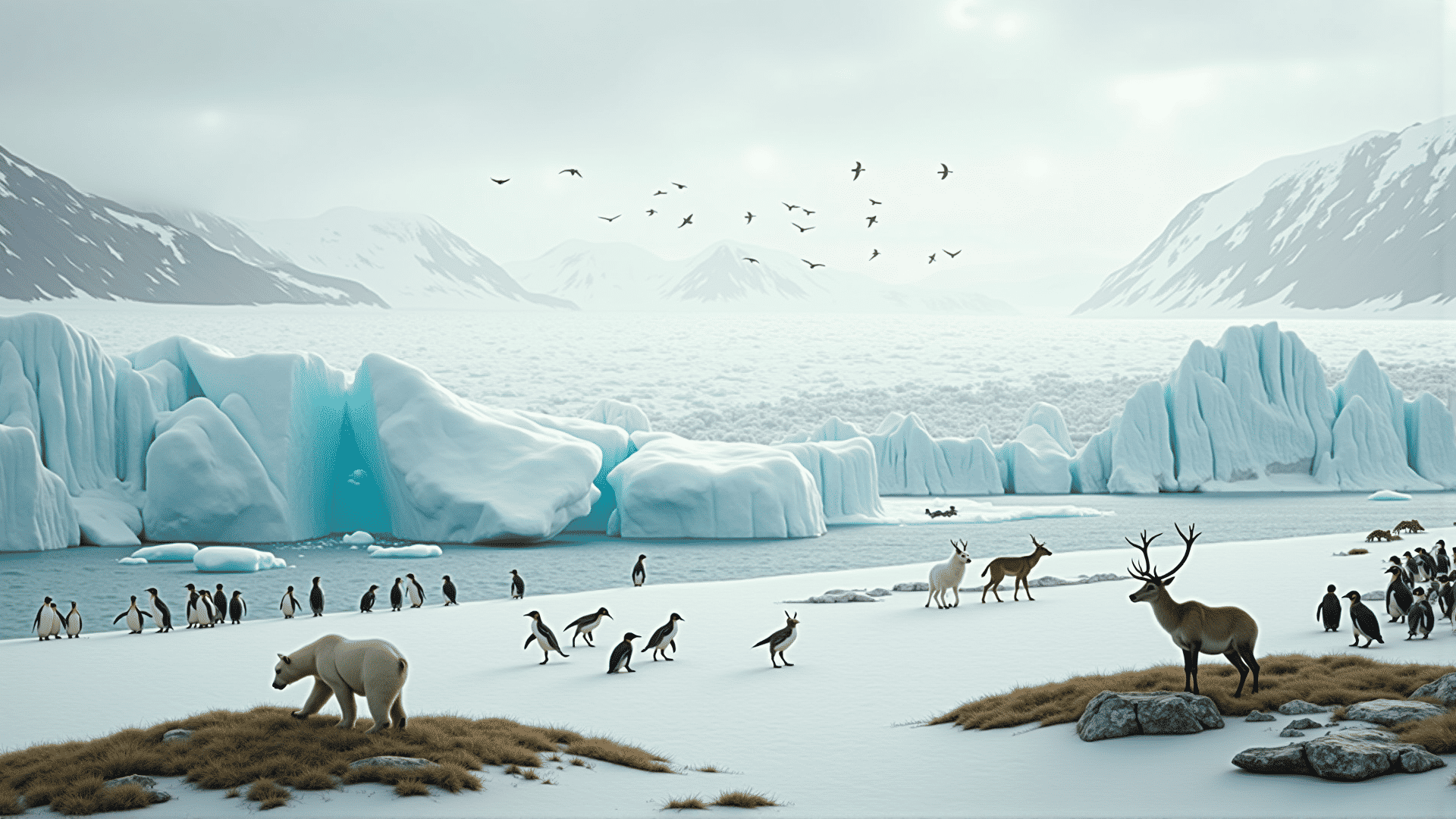
Climate change is no longer a distant threat but a present reality that is drastically altering our planet’s ecosystems. Its impact on biodiversity— the variety of life in the world or in a particular habitat or ecosystem— is profound and includes shifts in species distributions, altered ecosystem functions, and increased extinction rates. As the climate continues to change, it’s imperative to understand the mechanisms by which it affects wildlife and to develop innovative strategies for conservation.
Rising global temperatures are one of the primary drivers of biodiversity shifts. Many species are highly adapted to specific climate conditions, and even small temperature changes can upset the delicate balance of their ecosystems. For instance, polar species like the Arctic fox or polar bears are directly threatened by the melting ice caps, which reduce their habitats and hunting grounds. Meanwhile, tropical regions witness coral bleaching, where increased sea temperatures cause corals to expel algae essential for their survival, leading to large-scale die-offs and the collapse of marine biodiversity.
In addition to temperature increases, changes in precipitation patterns are redefining habitats worldwide. Areas experiencing increased rainfall may face flooding, which can destroy terrestrial habitats and compromise the ability of some species to survive. Conversely, regions facing droughts are seeing loss of vegetation, which affects the species that rely on these plants for nutrition and shelter. The altered availability of fresh water can have cascading effects throughout an entire ecosystem, affecting each level of the food chain.
Migration patterns are also being disrupted. Many species rely on seasonal cues for migration, mating, and hibernation. Climate change has altered these natural schedules, leading to mismatches. For instance, when flowers bloom earlier than usual due to a warmer winter, but the pollinators haven’t yet migrated or emerged, both the plants and insect populations suffer. This can lead to reduced reproduction rates, impacting food supplies for larger animals dependent on these species.
As habitats change, some wildlife is forced to move, while others face extinction if they cannot adapt quickly enough. The loss of biodiversity can lead to weaker ecosystems that are less resilient to further changes and challenges. For example, fewer species in a habitat mean less genetic diversity, which reduces the ability of ecosystems to adapt to new pests, diseases, and a changing climate.
The challenge of conserving biodiversity in the face of climate change requires innovative approaches that go beyond traditional conservation methods. Protecting large contiguous habitats, creating wildlife corridors, and ensuring genetic diversity are critical steps. Rewilding, the process of restoring and protecting natural processes and core wilderness areas, is gaining ground as a method to create resilient habitats by reintroducing key species. This approach can help restore ecological balance and mitigate some climate change impacts.
Technology can also aid in conservation efforts. From satellite monitoring of deforestation to drones aiding in anti-poaching efforts, technology can provide new tools for conservationists. Genomic technologies could offer another lifeline, allowing for genetic rescue initiatives that enhance the resilience of threatened species.
The effects of climate change on biodiversity are vast and complex, posing one of the most significant challenges of our time. It is imperative that immediate and concerted actions are taken globally to address these changes through mitigation and adaptation strategies. By understanding the interdependent relationship between climate and biodiversity, humanity can work towards solutions that support both human life and the sustainability of the earth’s ecological diversity. With collaboration and commitment, it is possible to develop a robust framework for conservation that can withstand the tests of a changing climate.